
What matters for your baby today?
There is a lot to learn in the first years. Start with one useful idea for your child’s stage, then explore when you have a moment.
Choose an age range below. No birth date or account is needed.
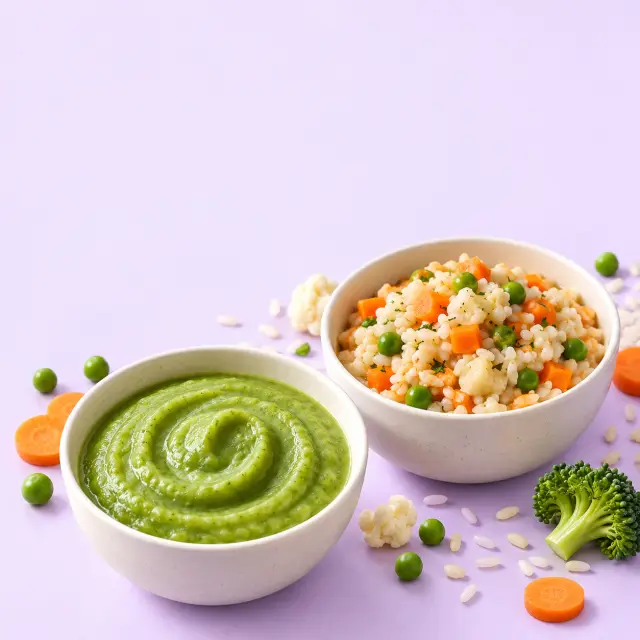
One small step at a time
Choose an age to see a useful next step.
For newborns, we’ll show feeding support, bonding and reassuring guides—not meal plans.
Your selection stays in this browser. You can change it any time.
Quick answers for real parent questions
Is my baby ready for solids?
Most babies are ready for complementary foods at around six months, when they can sit with support, control their head and bring food to their mouth. Milk remains important.
What texture comes next?
Begin with soft, suitable textures and gradually offer more variety as your baby learns to chew and handle food. Always supervise meals.
My child refused food. What now?
It is common for children to need repeated, pressure-free chances to explore a food. Try again another day and follow their hunger cues. If feeding is persistently difficult, speak with a qualified clinician.
What can I make with this ingredient?
Start with an ingredient you have and look for an age-appropriate texture or meal idea in TinyDroplets.
These are general ideas, not medical advice. For allergy concerns, choking, poor growth or persistent feeding problems, consult your child’s healthcare professional.
A calm path from first tastes to family food
1. Notice readiness
Usually around six months: steady head control, sitting with support and interest in food.
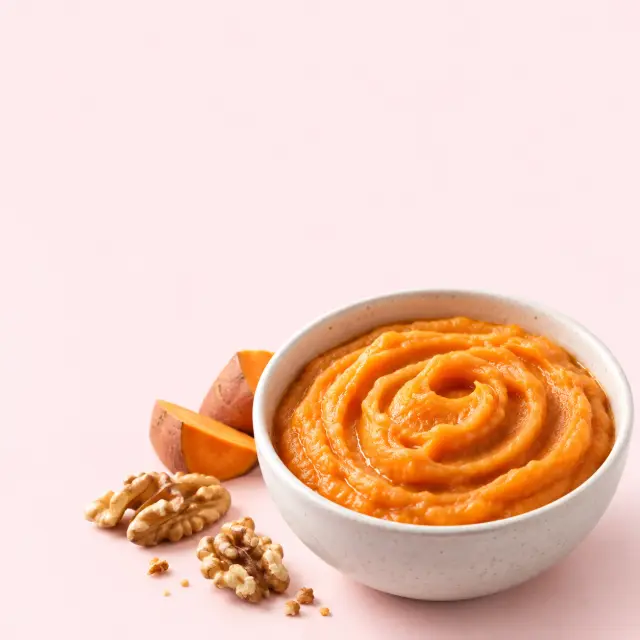
2. Offer first tastes
Keep it relaxed. Offer safe, soft foods in tiny amounts while continuing milk feeds.
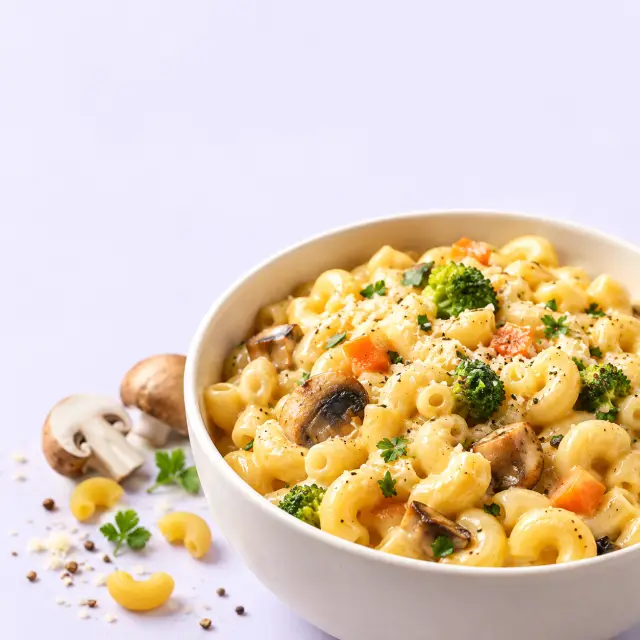
3. Explore textures
Move gradually toward thicker, lumpier and suitable finger foods as skills grow.
4. Join family meals
Adapt family foods to your child’s age; keep pieces and textures safe.
Remember the little moments
Write down a new food, a favourite activity or something your child enjoyed. There is no score and no race.
Notes are stored only in this browser, not synced to an account. Avoid entering private health details. Clear browser data to remove them.
Foods we’ve offered
A simple personal checklist—not an allergy record or a substitute for medical guidance.
Only tick foods actually offered safely. This checklist is saved on this browser. Talk to a clinician about any possible reaction.
Public health guidance, in plain language
Our starting-solids and feeding notes draw on general guidance from public health organisations. These links are sources for further reading; they do not mean those organisations endorse TinyDroplets or have reviewed this page.
- WHO — infant and young child feeding: complementary foods from around six months and responsive feeding.
- NHS — your baby’s first solid foods: readiness, first foods and textures.
- NHS — food allergies in babies and young children: allergen introduction and when to seek advice.
- UNICEF — care for child development: responsive play and communication.
This page is educational, not personalised medical advice. For your child’s feeding or health concerns, speak with a qualified healthcare professional.